Learn practical strategies to take a healthy break from puzzle games before frustration sets in, ensuring your playtime stays enjoyable and refreshing.
Recognizing When Puzzle Play Stops Being Fun
Puzzle games are designed to challenge your mind and offer satisfying moments of achievement. However, there comes a point when the challenge can turn into frustration or boredom, making the experience less enjoyable. Recognizing this shift early is key to maintaining a positive gaming experience. Signs include feeling stuck on a level for an extended period, losing motivation to continue, or noticing your mood worsen while playing. These are clear indicators that it’s time to pause and step away before the game stops being fun.
Set Time Limits Before You Start
One effective way to avoid burnout is to set a time limit before you begin playing. For example, decide to play for 20 or 30 minutes at a stretch. This prevents marathon sessions that can lead to fatigue and frustration. Using a simple timer or alarm can help remind you when it’s time to take a break. By pacing your gameplay, you maintain a fresh perspective and keep the puzzle-solving process enjoyable.
Take Short Breaks to Reset Your Mind
When you feel stuck or annoyed, stepping away for a few minutes can help clear your head. During breaks, try activities unrelated to gaming such as stretching, walking, or grabbing a snack. These moments allow your brain to reset and reduce stress, so when you return to the puzzle, you’re more likely to approach it with renewed patience and creativity. Even a five-minute break can make a significant difference.
Switch to a Different Game or Activity
If you find that one puzzle game is starting to feel tedious, consider switching to a different game or a different genre for a while. For example, if you’ve been playing a challenging logic puzzle, try a relaxing cozy game or a casual mobile game with a lighter pace. This change of pace can refresh your enthusiasm and prevent the feeling of burnout. Alternatively, engaging in a non-gaming hobby like reading or crafting can also provide a healthy mental reset.
Use Hints and Help Features Wisely
Many puzzle games offer hints or help options to assist players who are stuck. Instead of pushing through frustration, using these features can keep the experience fun and reduce stress. For instance, if you’re struggling to solve a tricky puzzle, a hint can offer a new perspective without spoiling the entire challenge. This keeps your progress moving and prevents the game from feeling like a chore.
Reflect on Your Gaming Goals
Taking a moment to consider why you play a puzzle game can guide your decisions about when to stop. Are you playing to relax, to challenge yourself, or to pass time? If the game is no longer meeting your goals or is causing frustration, it may be time to step away. For example, if relaxation is your goal but the game feels stressful, switching to a more calming activity aligns better with your intentions.
Plan Your Next Play Session
Before ending your current session, plan your next playtime. Setting small goals, like completing a specific number of levels or trying a new puzzle mechanic, can help maintain motivation and give you something to look forward to. This approach creates a positive cycle where you’re not just stopping abruptly but pausing with purpose. Planning ahead also helps avoid the temptation to overplay in one sitting.
Create a Comfortable, Distraction-Free Environment
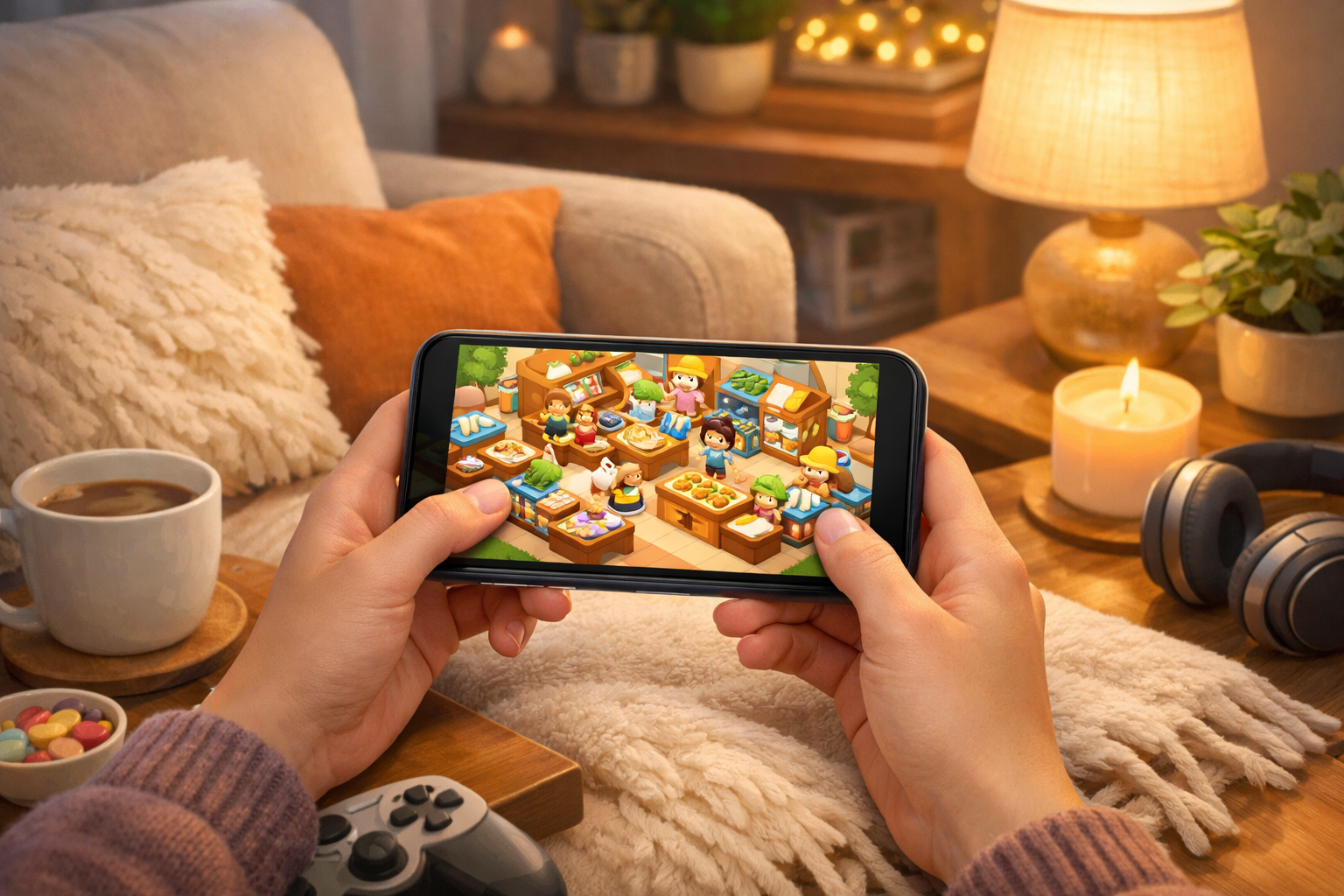
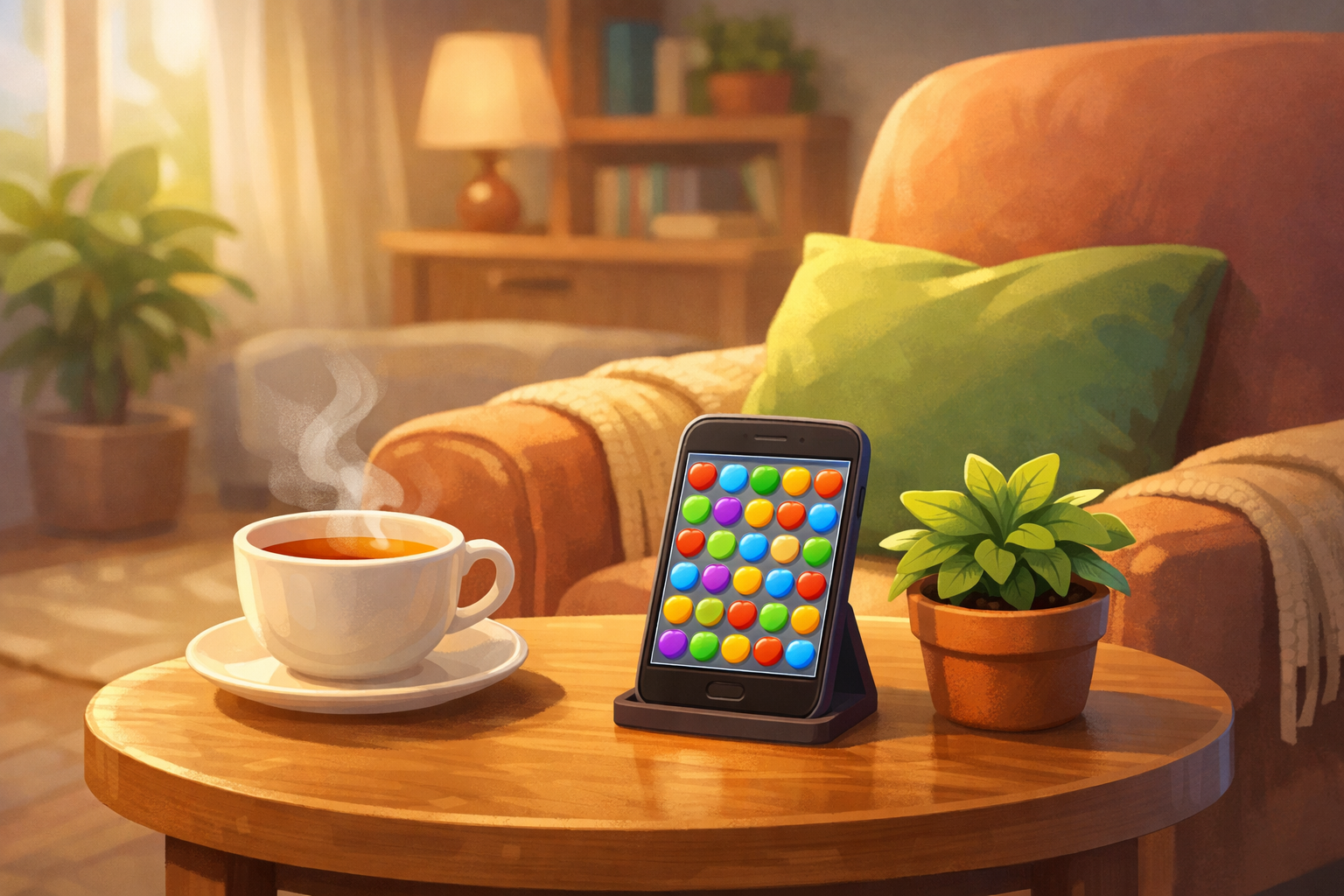
Sometimes frustration comes from external distractions rather than the game itself. Setting up a cozy, quiet space can enhance your gaming experience and reduce stress. Good lighting, comfortable seating, and minimizing interruptions can help you focus and enjoy puzzle-solving more. When you do decide to step away, leaving your gaming space tidy and inviting makes returning more appealing.
Practice Mindfulness and Acceptance
Remember that it’s okay to step away without finishing a puzzle immediately. Accepting that some puzzles may take time or that it’s fine to pause keeps your gaming experience positive. Practicing mindfulness-paying attention to your feelings without judgment-helps you recognize when the game stops being fun. This awareness supports healthier gaming habits and better enjoyment over time.
Closing Thoughts
Puzzle games offer wonderful opportunities for mental stimulation and relaxation, but it’s important to know when to take breaks before frustration takes over. By recognizing signs of burnout, setting time limits, taking short breaks, and switching activities, you can keep your gaming experience enjoyable and balanced. Using hints wisely, reflecting on your goals, and creating a comfortable environment also contribute to a positive puzzle-solving journey. Ultimately, stepping away thoughtfully helps preserve the fun and satisfaction that make puzzle games so rewarding.